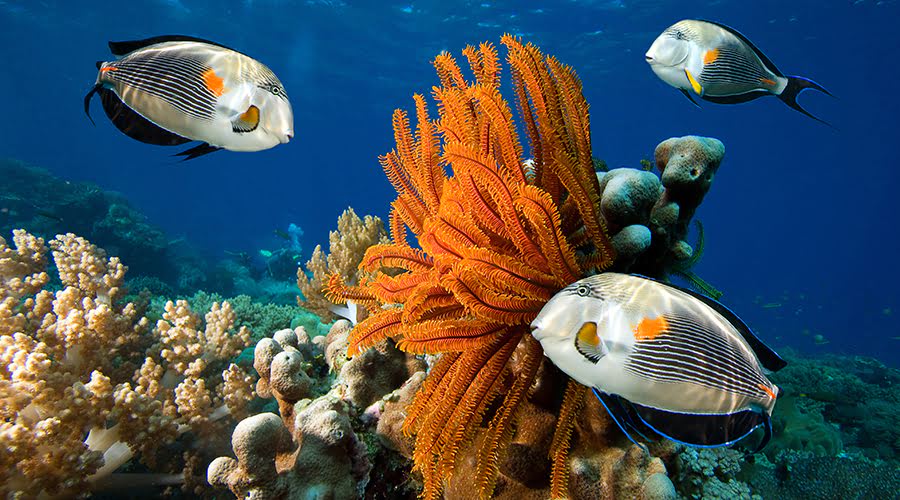
10 days Best of the Red Sea: Daedalus-Rocky Island-Zabargad-St. Johns-Elphinstone

10 days Best of the Red Sea: Daedalus-Rocky Island-Zabargad-St. Johns-Elphinstone

Itinerary Highlights

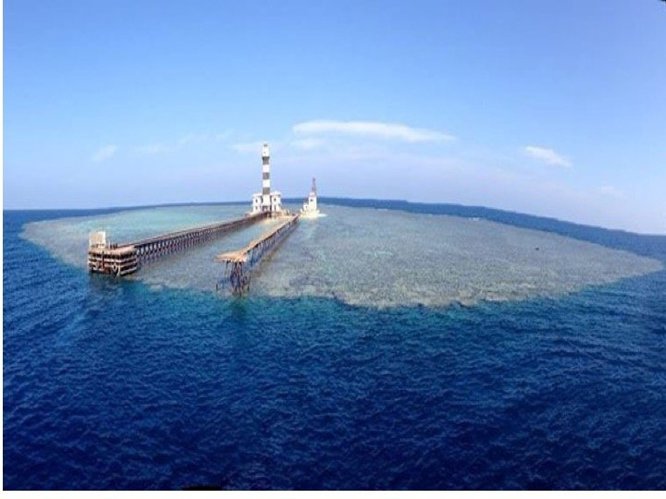
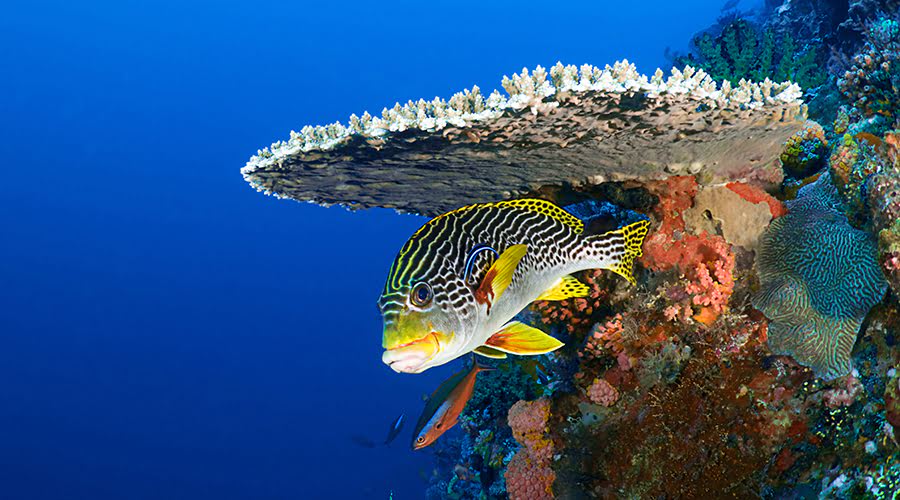
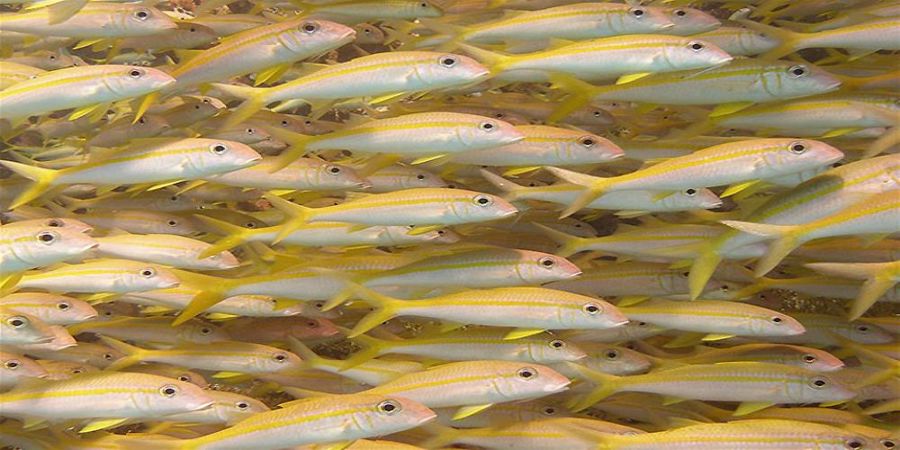
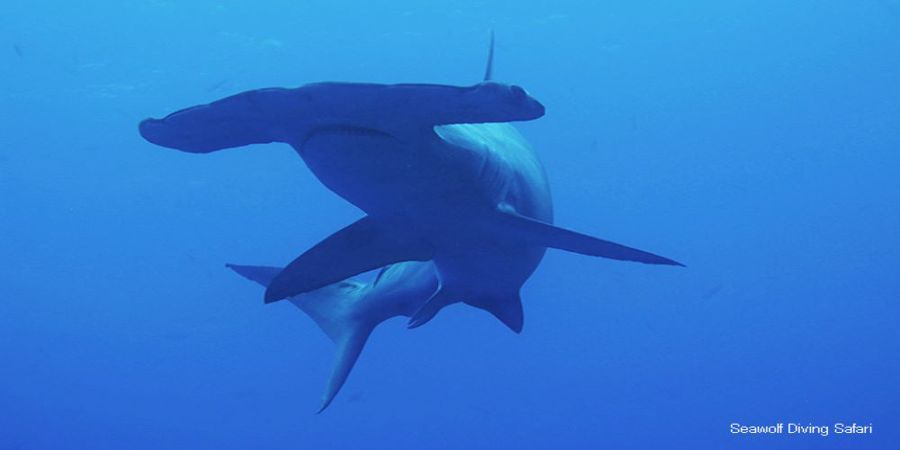
  • The Daedalus reef is a huge reef formation that lies at about 180 km south of Brother Islands. The reef is surrounded by a sheer wall all around, featuring a plateau on its southern side that goes from 28 m beside the reef to 40 m on the edge of the drop off. If the weather is good, try to get as far north as possible and drift along one of the sides of the reef. Reef and hammerhead sharks are often spotted here. Marine life is here more abundant than anywhere else, with schools of surgeons, fusiliers.
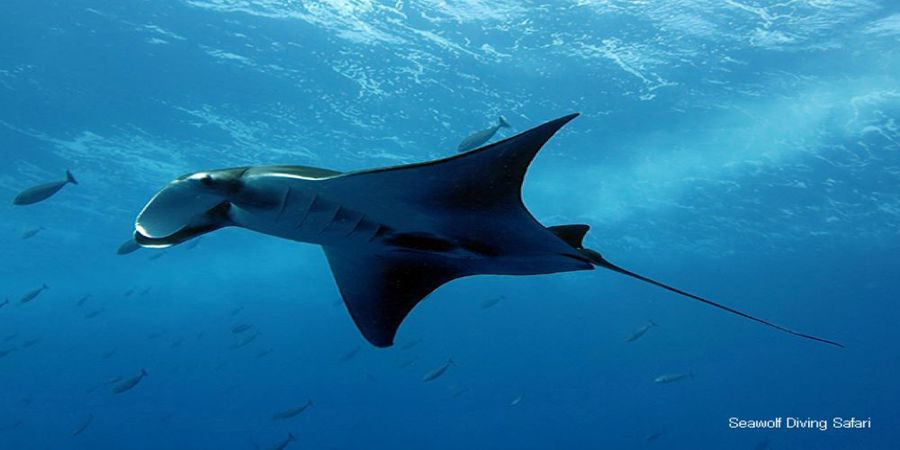
  • Rocky Island is a mystical site that represents a diver’s dream. The indented reef that circles the entire perimeter of the island drops deeply to an astonished depth and the constant currents that flow all along the year favor the growth of different kinds of colorful marine life in a continuous struggle for a place on the reef. The walls are absolutely covered with the most beautiful soft corals, as well as gorgonias, fans, sponges and black coral trees.. Reef sharks, especially grey and silver tips, you can watch in the blue and may be manta rays, turtles and dolphins.
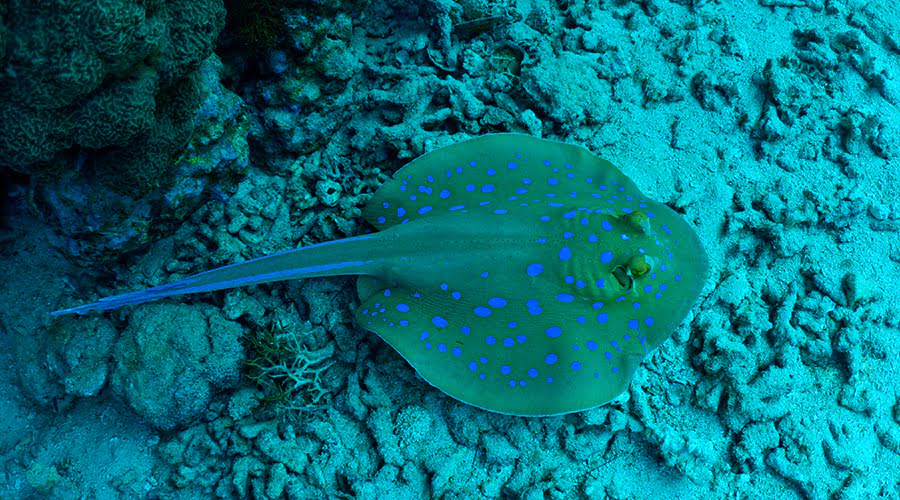
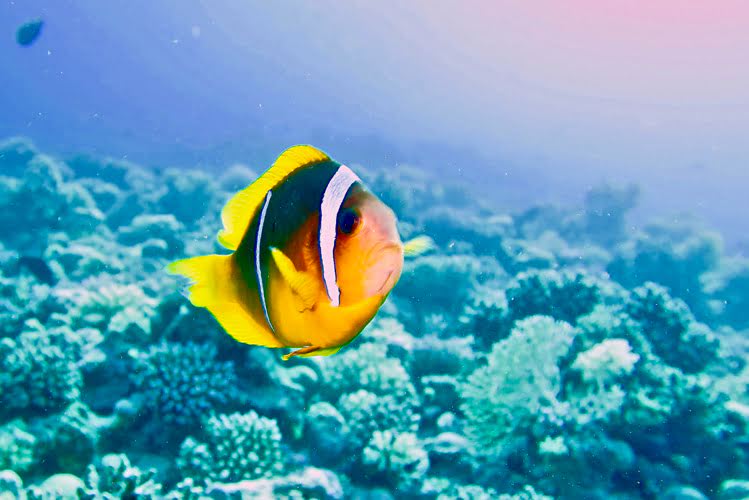
  • The Island of Zabargad is a superb dive spot. Here you can dive along walls, hover over drop offs or dive slowly in the shallow area, watching the big amount of reef fishes or inhabitants and admire the beautiful coral garden. In the deep south of the Red Sea we find the St.Johns reefs. Big Habili and Small Habili with their fantastic drop offs overgrown with big gorginias and colorful bright soft corals promise you to be a fantastic dive. You find a lot of marine life at the reef itself and as well in the blue you may see barracudas, different sharks, sometimes dolphins or manta passing by. Umm Erug seems to be the place of unusual coral blocks. Next to the main reef in a depth of 12 m to 30 m you find many different block formations who remind you of everyday life`s figures. Schools of small reef fishes, camouflage artists and small critters you can explore. Around two hours drive to the north there is the area of St.Johns Cave. The name cave is program and Umm Hararim impresses of its unique cave and canyon system. The main reef surrounded by a beautiful hard coral garden is on its south-west side full of holes like a Swiss cheese. In shallow water you can dive through the open passages to see the light show of the sun and the nice soft corals growing inside. The reef of Elphinstone, a truly legendary reef, is one of the most beautiful reefs in the Red Sea, with its north and south plateau, and the walls covered in soft corals, black corals, wire corals and gorgonias. Hammerheads, oceanic white tip sharks and grey reef sharks can also be spotted here.
  • Daedalus Reef

    Daedalus Reef is surrounded by a steep wall and features a plateau on the south side, which drops from 30 m at the wall to 40 m at the edge. The plateau is covered in colorful vegetation right down to the shallow area; turtles like to hang out there, as well as plenty of schooling fish. A closer look is worthwhile to spot snails, scorpionfish, and stonefish. It's not uncommon for a thresher shark to stop by the plateau. At the northwest tip, there's a good chance of encountering hammerhead sharks, but reef sharks of all kinds can also be observed. Drifting along the west side, you'll come across Anemon City: a colony of anemones has settled about 10 m wide and at a depth of 5 m to 30 m, forming a giant flokati carpet in the current. The fish population is impressive: schools of fusiliers, surgeonfish, and jacks, more diverse and abundant than anywhere else.

  • Elphinstone

    This long finger like reef runs from north to south in the open Red Sea. Steep walls drop to the depths on the reef’s east and west sides, while the north and south ends of the reefs are marked by submerged plateau. Sharks often swim by the spot to feed on the abundant reef fish population.

  • Zabargad

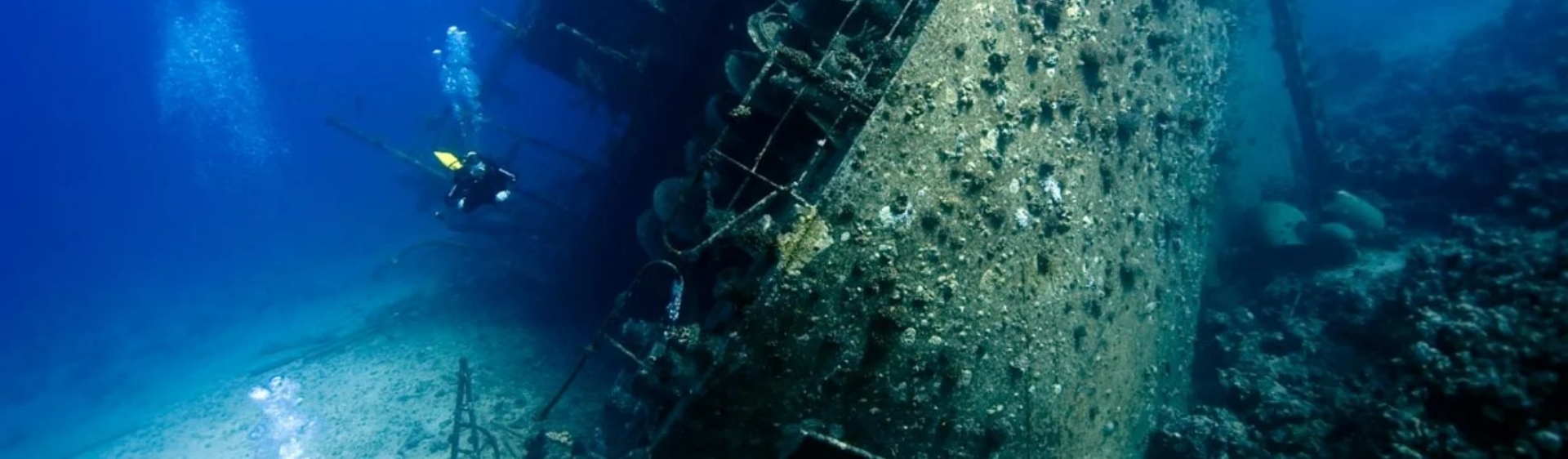
    Zabargad has two shipwrecks to offer, both in the sport diver friendly area. On the east side, between 1 - 24 meters deep, you will find a wreck 70 meters long and about 10 meters wide, the name and history of which have long been the subject of speculation. It is assumed that it is a Russian motor freighter that sought the protection of the island after a collision or explosion on board and sank there - the damage in the stern area would speak for this. The vegetation of the wreck suggests a sinking period in the 1950s to -60s. On the southeast side, there are many cave passages in the upper reef area where, if you are lucky, you can find nudibranchs and turbellaria. On the west side of Zabargad, besides beautiful hard coral gardens, you can dive the remains of the safari ship "Neptuna", which sank here in 1981. On the sandy bottom at a depth of 24 meters you can find evidence of the sinking: a generator, several suitcases, a radar unit and a diving tank. However, there is no trace of the wreck of the ship. Since the reef is only slowly steepening at this point, the safari boat cannot have slipped any further into the depths, so it must be lying somewhere nearby. Presumably, at that time, when the stern was already submerged, it drifted a little further, while the mentioned objects fell overboard. The wreck of the "Neptuna" could not be located until today and thus remains one of those mysteries with which the Red Sea can still come up with. Safari boats usually seek shelter to anchor on the south side of the island - behind a large lagoon. Around the lagoon, which is about 10-12 meters deep, it descends steeply to depths of over 50 meters. You can reach the inside of the lagoon through numerous passages through the rock that rises around the lagoon and is lush with colorful soft corals.
  • Rocky Island

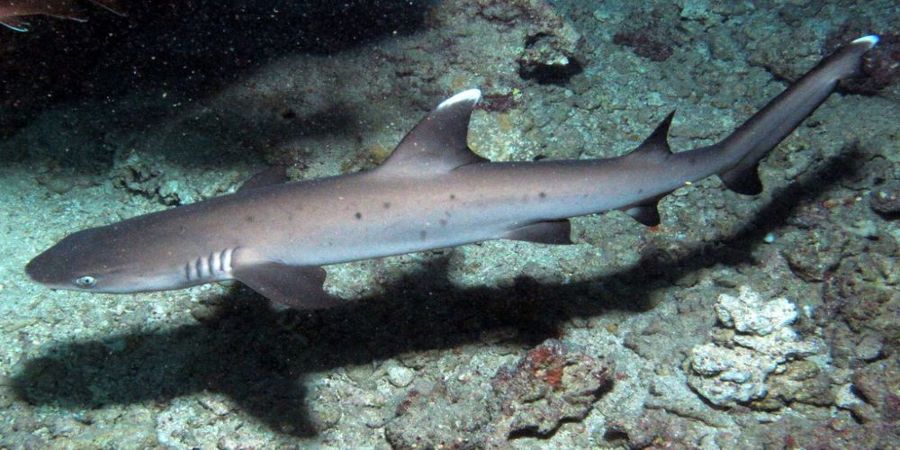
    The island has an extension of 300m by 80m and has a fringing reef all around. The south side of the reef consists of overhangs and half caves where very often white tip reef sharks sleep. Even more, the east and west are real Shark Points, because here the sharks are in a current that comes from the north and also brings in huge schools of sardines and their predator, the tunas. The north, on the other hand, is a deeply indented steep wall with ledges and overhangs. Here one sometimes encounters dolphins. Around Rocky Island again marine park rules apply and due to various currents it is a very challenging reef.

  • Shaab Maksur

    It is 350 to 400m long and has three plateaus, one of them - untypical for an outer reef - on the west side. The currents are similar to Elphinstone, as both reefs have almost exactly the same orientation. The south plateau actually consists of two levels. The first ranges from 18 to 35m, the second from 35 to 42m. Both have a length of 50 to 60m and a width of 40m. At the end, the reef descends steeply to 80m, then continues into a slope to 120m before disappearing fully into the depths. The west side has something special, because bordered by a coral garden and a block at the end there is a small lagoon in the middle of the plateau, which is very nicely embedded with a depth of 13-16m and a width of 20m. Here lie some pieces from an old safari boat that hit the reef after 14 days in service. The riggings were thrown overboard and the hull was taken to the shipyard for reconstruction. Meanwhile the reef has grown very nicely around the wreckage. The eastern area is a drop off and to the north there is another plateau at a depth of 20 to 37 meters where there are smaller mounds and a coral garden. Here, as everywhere on this reef, downward currents can occur. At the northernmost point there are two more rocky pinnacles separated from the reef by an 8m deep gap.

  • Shaab Shona

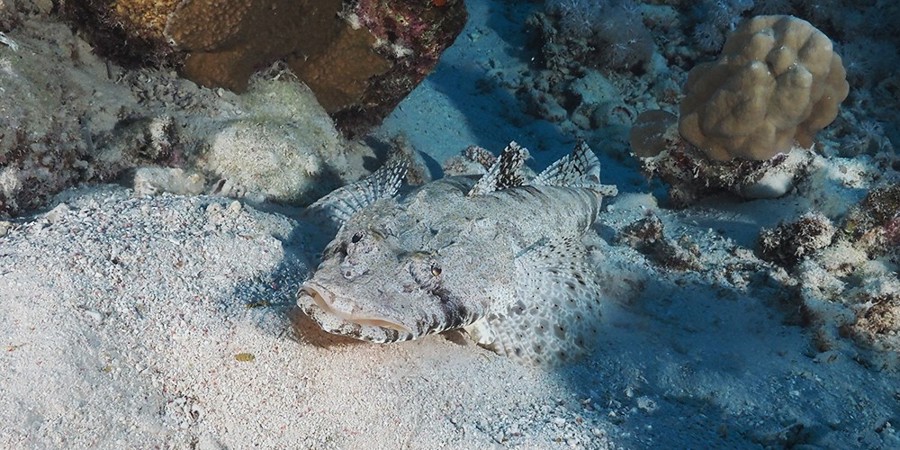
    The lagoon is formed from a dried up river (wadi) and with a diameter of 150m between 5 and 45m deep. You can still see the wadi in the middle as a channel that rises to the north and south. In the north there is a plateau whose edges drop from 14 to over 40m. The north side is characterized by boulders where you can find ghost pipefish, long-jawed makerels, glassfish and crocodile fish, but of course also as many different coral species. They reach from the reef edge partly down to 20m and are covered with life.

  • Dangarous Reef

    This is the southernmost reef of St. John's and offers plenty of variety. The reef has an extension of 150m by 70m. Hidden on the main reef is the small cave system. It is easy to dive and there is no danger of getting lost. The entrance is located on a small plateau at 9m depth. In the outer area, the plateau extends another 60m to the south. Here there are carpet anemones and harlequin crabs that live together symbiotically. At another spot lives a hammerhead shark. To the west, numerous coral structures rise from a mixture of soft and hard corals. In between them, giant moray eels and napoleon wrasse are always hiding. Two ergs reach from 20m depth to 9m below the surface. Towards the east there is a very nice garden of mountain corals in all colors. Due to the turbulence at the Ergs it is a challenging dive site in stronger currents. Also, the morning current can push you into the open water.

  • Shaab Sharm/Gota Sharm

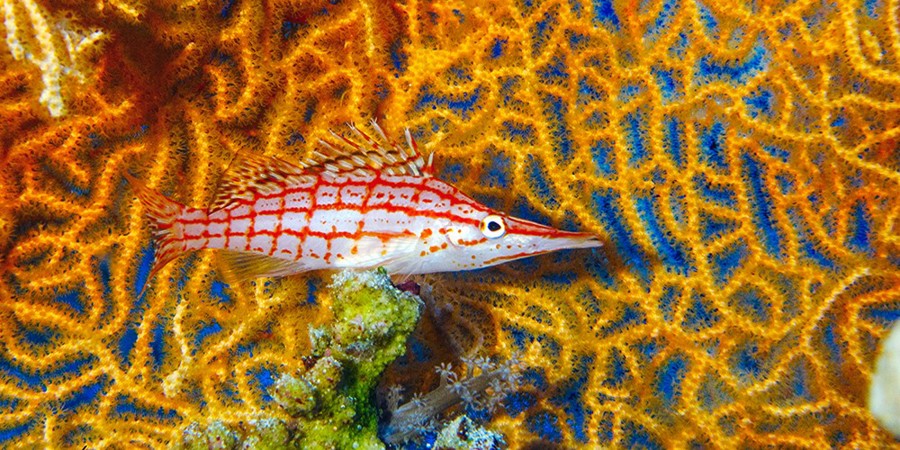
    Gota Sharm has a length of 250m, a width of 100m and runs in a wedge shape from west to east. There are plateaus at both ends. The rest consists of steep walls that reach more than 100m into the depth. The plateaus are 20m (close to the main reef) to 35m deep (in the outer area). The current usually comes from the northwest in the morning and from the north at noon. Despite this predictability, you should pay attention to it, because it can get very strong and you run the risk of being blown off the plateau. On the eastern plateau you can find the longnosehawkfish in a gorgonian, lionfish under table corals, barracudas, reef sharks, schooling fish and two cleaning stations: one in the middle of the plateau for young tuna, the other, by a large block on the south side, for surgeonfish. On the east plateau, the current can cause turbulence that makes diving difficult. The western plateau is narrower than the eastern one and there is also a cleaning station here. On its northern side the current usually meets Gota Sharm. So a good place for big fish like the hammerhead shark. Pretty much opposite, on the south side, manta rays have been spotted, but it is more likely to encounter reef sharks, mackerels, tuna and barracuda.

  • Abu Galawa Kebir

    At Abu Galawa Kebir there are lagoons and several side reefs that offer everything there is to see in the Red Sea. Blue staghorn corals, wonderful landscapes. Besides the "Rosalie Moller" and the "Numidia", the steam tugboat of Abu Galawa, the "Tien Hsing", is one of the most beautiful shipwrecks in the Red Sea. She was a harbor tug built in Shanghai in 1935. With a length of 36m, a beam of just over 7m and a draft of about 3m, it was a rather small ship for these purposes. On October 26, 1943, the tug sank and now lies at a depth of 12-13m in a slight angle on the west side behind the canal. The wreck is easily visible on the starboard side, but less so on the port side, so many corals grow on it! The coral garden on the west side consists of mountain corals. In the upper part, the cuts and channels are overgrown with table corals. Also here you can dive great at night.

  • Satayah Gota Soraya

    "Soraya" means "small". This tells us that we are on the sister reef of the larger Sataya Gota Kebir. The water depth in the area to be dived is 20 to 25 meters. The reef has a length of 250m and a width of about 70m. The boat usually moors in a small lagoon in the southeast of the reef. However, depending on the current, there is also the possibility to moor the boat in the southwest at a notch of the reef. The Sataya area almost always has current from the north. The mooring in the southeast, in the lagoon, is also one of the most beautiful places to dive in the midday. Very few people dive here and you get the impression that you are entering the water shortly after the coral garden is formed. The most common diving tours, due to the current from the north, start with the Zodiac of course in the north. Then one has the free choice whether one dives left or right hand side. Here you can practice navigation and you have a dive of about 60 to 70 minutes in each direction. There is also a small path in the north through a cave into a lagoon. This is covered with mountain corals. The whole area is full of huge mountain corals, large table corals, leather corals and soft corals. There are a lot of juvenile fish, large schools of snappers, bigeyes and barbels. You can also find snails, as well as dolphins and young reef sharks. There is another coral garden in the northwestern area, behind a sandy road. It consists of old and new coral formations and slopes down to 40m in the north.

  • Satayah Gota Kebir

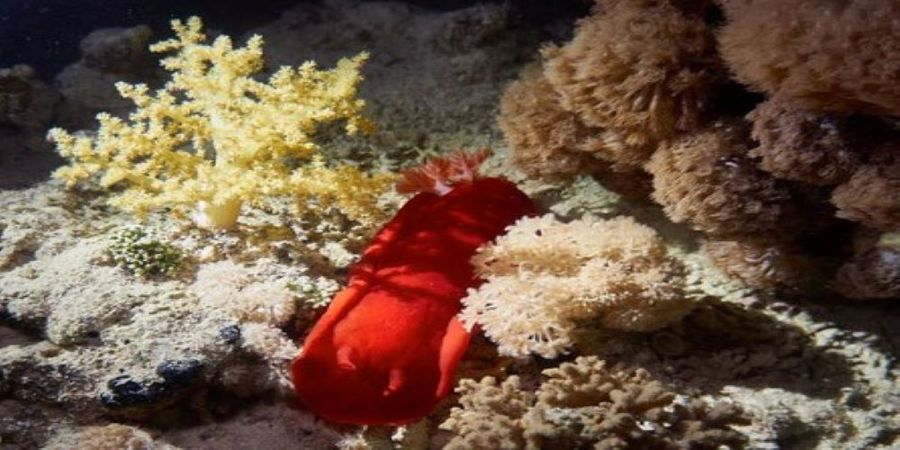
    Sataya Gota Kebir - "Kebir" means "big" - is located west of the main Sataya reef. The water depth in the area that is dived is from 5 to 25m. The reef is about 140m long and has a width of about 80m. The mooring is well protected, usually right by a plateau with a depth of 5 to 15m. Since the current, except in autumn, actually always comes from the north, it is an ideal day and night mooring place - perfect for exploring the plateau in the dark. To the south, the plateau is at 5-11m, dropping to 15-18m on the outer sides. At night it is teeming with life. There is almost a guarantee of Spanish dancers, this is what this place is known for. You can also find many kinds of shrimps, rabbits fish, parrot fish in cocoon, flute fish, lion fish, gorgon heads and many more. In the west you will find some bigger blocks at 22m. Except in the northwestern area there are actually small and big blocks everywhere. You will find among others flatworms, moray eels, small groups of hunting fish as well as slugs. In the north there is a lagoon with a beautiful coral garden, swarm fish and an anemone colony.

  • Shaab Claude

    Shaab Claude is about 150m long and 60m wide with a maximum depth of 24m. Boats usually anchor in the south, because there is the cave entrance in 10m depth. Also most of the fish can be found in the southern part of the reef. Here live e.g. batfish, triggerfish, bannerfish, barbels and snappers. Also big napoleon wrasse are not rare. Often a current from the north makes diving on the west side above the coral garden difficult or impossible. After a bumpy ride by Zodiac to the channel and the anemone colonies, you will be rewarded with a nice drift dive on the east or west side.

  • Habili Ali

    This reef is the most northeastern of the central area of St.John's. It is a steep wall reef that lies between 0 and 4m under water, depending on the season. The reef edge is riddled with grooves, notches and overhangs everywhere. Everywhere you can see beautiful and abundant growth of soft and hard corals as well as very large gorgonians and black corals. Besides the big fan corals you can surely see the favorite of all divers, the longnose hawkfish. In width Habili Ali measures 20 to 25m from north to south, in length from east to west 150 to 200m. In the south it slopes 10 to 15m and then turns into a narrow plateau. The east and west sides drop well over 40m. Unfortunately, the reef can not always be approached, because the reef top is so close to the water that even with a small outer wave quite decent breakers can form. Since Habili Ali is an outer reef, the current can be from weak to very strong and come from all directions. A current test is therefore essential.

  • St.Johns Gota Soraya

    The reef reaches well over 100m in depth and has a chimney in the south at 9m water depth, which is covered with black coral.<br/>The west side is a wall with deep notches and bulges. There you will find a block that seems to have grown out of the reef, reaching from 22m to 9m below the surface. In the depth a few gray reef sharks pass by from time to time. In the north, St. John`s Gota Soraya has a reef spur after a steep wall of 15m, which runs down with a slope well over 70m. It is covered all over with gorgonians and delicate sea whips as well as huge soft coral fields. Gray-black snappers and reef sharks are common there. On the east side you will find schools of snappers and barbels in the wide niches. Often you also get a manta ray visit, because there the current meets the reef.

  • St. Johns Gota Kebir

    St. John`s Gota Kebir is 250m long and 120m wide. The north ends in a drop-off that drops to 35m in places and opens into a small ledge before plunging further into the depths. The west side drops to 20 to 25m with overhangs and deep notches, then with a slight slope into the outer area where it disappears into the depths. On the east, the wall drops 20 to 30m and then turns into an overhang. The northern part falls directly into the depth. On the way there are huge gorgonians with a diameter of 3 to 4m. The southern side is covered with coral fields. The reef wall there runs vertically down to the second plateau at 55m depth. On the plateau you can watch manta rays, gray reef sharks and hammerhead sharks as they make their moves. On the west and east side, behind the plateau at 9m, there are caves. Both run almost identically in an exciting large diameter circular path. However, please watch out for things that can fall down due to your exhaled air.

  • Sheleniat

    The reef has a width of 150m and a length of 200m. With a depth of 16m it belongs to the very shallow dive sites. The corals here are mostly only 50cm high. The 2 to 4m high hills are the optimal area for damselfish. On the west side there are two big lagoons, which are connected inside at 6m depth. They are overgrown with stag and mountain corals. On the sandy bottom you will find gobies and crabs living there symbiotically. The north is bordered by a long block. On the west side, on the other hand, there are four coral mounds from 2 to 8m high. The east side has an elongated reef wall with single fields of mountain corals and in the outer area isolated 2m high towers. The variety of corals and fish here is indescribable! To the south are individual lagoons and ancient coral that is home to batfish, large groupers and moray eels. This is a good night mooring and night diving site. Around the hills the current often changes and forms swirls.

  • Erg Abu Diab

    This spot is typical of the biodiversity of the southern Red Sea, but also known for encounters with large sharks. Often the diver meets groups of hammerhead sharks. But also the encounter with gray sharks and thresher sharks is likely here and with good luck among them also an oceanic white tip shark.

Golden Dolphin Safari World

English Deutsch 中文(简体)
up