10 days-Brother Islands-Daedalus-Fury Shoals

10 days-Brother Islands-Daedalus-Fury Shoals

Itinerary Highlights

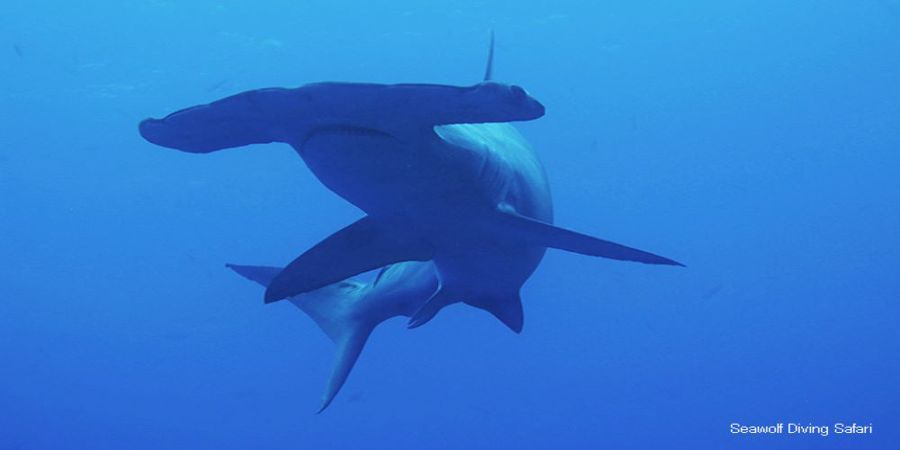
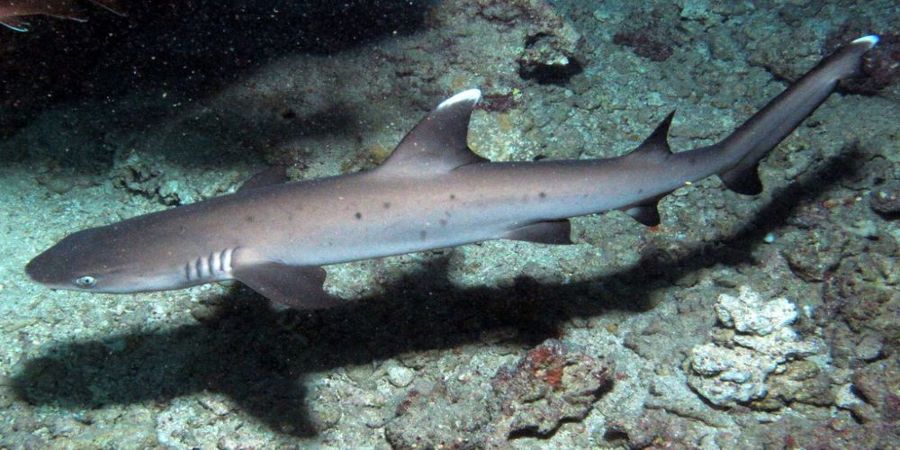
  • The Brother Islands with its drop-offs and big fish. Fans of old sunken ships are guaranteed to get their money's worth on this liveaboard. At the Big Brother you will find the Numidia and the Aida and at both "brothers" you will find all the big fish the Red Sea has to offer - hammerheads, thresher sharks, grey sharks, oceanic whitetips...
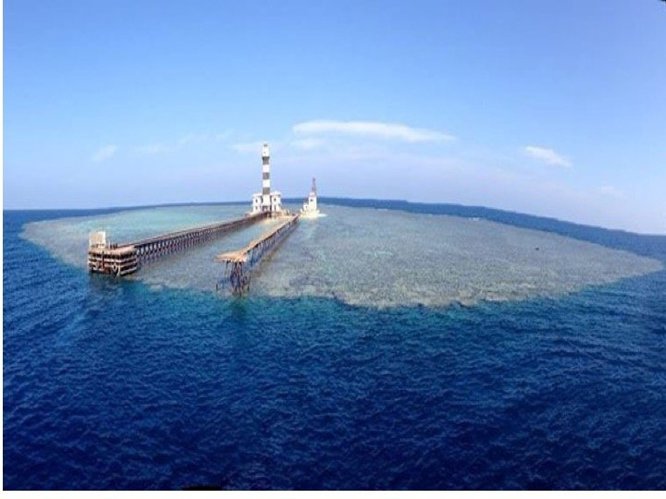
  • The striking lighthouse of Daedalus can be seen from far away. The reef extends over a length of more than 1.2 km. Steep wall diving in the regular current and shark encounters characterise the dives around Daedalus.
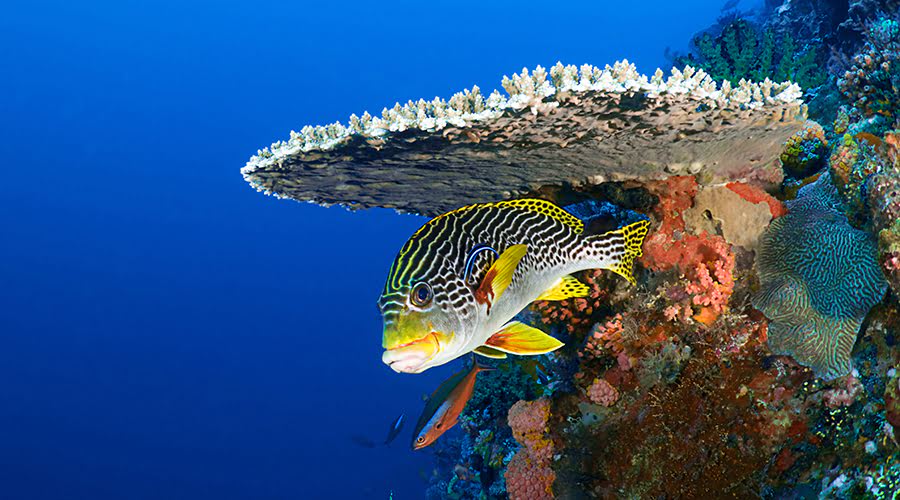
  • The Fury Shoal tour is characterized by a colorful potpourri of the most diverse reef structures, such as small cave systems, reef blocks densely covered with corals, plateaus, canyons, coral gardens and drop-offs. Not to mention the incredible variety of fish that the Red Sea has to offer.
  • Brother Islands

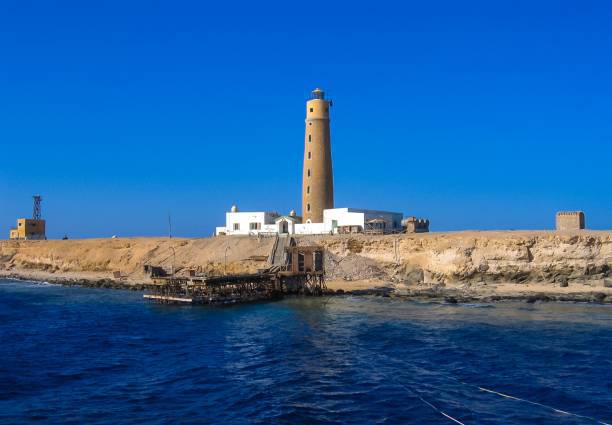
    The Brother Islands one of the best diving spots in the world. The Islands – the Big Brother and the Little Brother – are two small exposed promontories that just come out of the water in the middle of the sea at around 60 km from the Egyptian coast line. The Little Brother has a very high concentration of life in a much reduced area. The walls are covered literally with sponges, anemones and all sorts of hard and soft corals in an astonishing variety of colors and shapes. Of course you will find here plenty of fish. It is not unusual to see sharks: hammerheads, thresher sharks, grey reef sharks, silvertip and whitetip reef sharks. About one km north of the Little Brother lays the Big Brother. Situated, in the middle of the island, is a lighthouse. When it is not too windy, you can proceed to dive the Wreck Numidia which lies upon the reef on the northern side of the island between 5 m and 80 m. This 150 m long ship sunk in 1901 and is now completely covered with both hard and soft corals and gorgonias. At the NW side of the island you will find the other Wreck: the AIDA. This 82 m long steam ship sunk 1957. The remaining pieces of the Wreck are scattered all over the reef and just the back side of the hull can be found between 34 m and 60 m. It is nicely overgrown and worth to visit. Because of strong current and may be high waves it is not easy to dive at the Brother’s. This safari is only for experienced divers.

  • Daedalus Reef

    Daedalus Reef is surrounded by a steep wall and features a plateau on the south side, which drops from 30 m at the wall to 40 m at the edge. The plateau is covered in colorful vegetation right down to the shallow area; turtles like to hang out there, as well as plenty of schooling fish. A closer look is worthwhile to spot snails, scorpionfish, and stonefish. It's not uncommon for a thresher shark to stop by the plateau. At the northwest tip, there's a good chance of encountering hammerhead sharks, but reef sharks of all kinds can also be observed. Drifting along the west side, you'll come across Anemon City: a colony of anemones has settled about 10 m wide and at a depth of 5 m to 30 m, forming a giant flokati carpet in the current. The fish population is impressive: schools of fusiliers, surgeonfish, and jacks, more diverse and abundant than anywhere else.

  • Elphinstone

    This long finger like reef runs from north to south in the open Red Sea. Steep walls drop to the depths on the reef’s east and west sides, while the north and south ends of the reefs are marked by submerged plateau. Sharks often swim by the spot to feed on the abundant reef fish population.

  • Abu Galawa Soraya

    A sailing yacht from the USA sank at "Abu Galawa Soraya" in 1980 and has since been colonized by very many soft and hard corals. An incredible sight in 17 meters depth on a length of 15 meters. But not only the great overgrown wreck convinces here. Needlefish, blue spotted stingrays, red sea fusiliers and free swimming giant moray eels can be spotted and admired at this dive spot with a little luck. What will please many - "Abu Galawa Soraya" is also suitable for a night dive and what better way to see the various wreck dwellers than at night! Equipped with light we can see inside the wreck also during the day the many glass fish that have made the yacht their own for a long time. Also on the sandy bottom many surprises are waiting between the coral towers and blocks.

  • Abu Dabbab

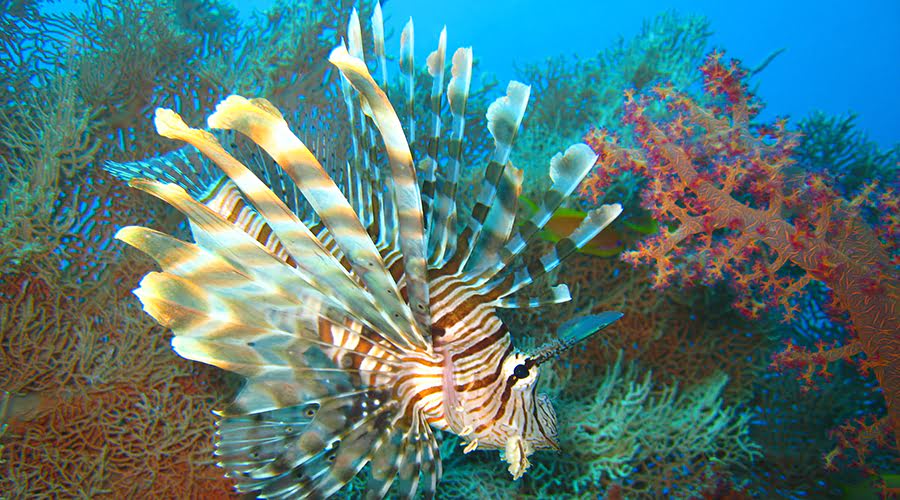
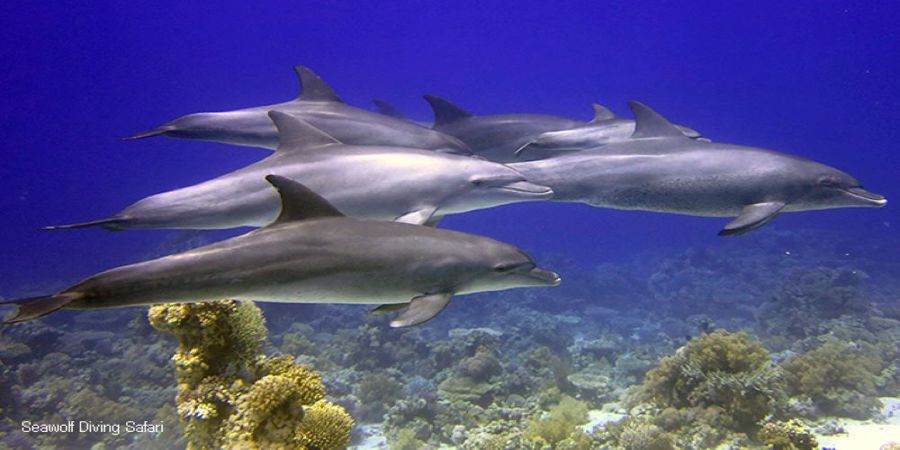
    A unique structure makes this reef so remarkable: there are notches and small caves, also a stunning coral garden. All kinds of emperor and banner fish are at home here, but also reef sharks. Due to its location and its maximum depth of 16m, Abu Dabab I is excellent for relaxed day and exciting night dives. In the south, almost exactly in the middle, there is a single block. There you will see bright red lionfish, as well as feather stars and at night basket stars. In addition, dolphins keep passing by in the south. In the southeast there is another collection of ergs with soft and hard corals, around which there are occasional hawksbill turtles and sharks. To the north is the famous "Heaven one". Many stories are told around this wreck. Not far away you will find anemone colonies and a cave system overgrown with ancient corals, before diving into two lagoons on the west side with mighty corals and schools of barbels and snappers. On the west side, an ancient coral formation stretches south with some boulders where reef sharks like to sleep. At the edge of the reef you can find remains of amphorae.

  • Shaab Maksur

    It is 350 to 400m long and has three plateaus, one of them - untypical for an outer reef - on the west side. The currents are similar to Elphinstone, as both reefs have almost exactly the same orientation. The south plateau actually consists of two levels. The first ranges from 18 to 35m, the second from 35 to 42m. Both have a length of 50 to 60m and a width of 40m. At the end, the reef descends steeply to 80m, then continues into a slope to 120m before disappearing fully into the depths. The west side has something special, because bordered by a coral garden and a block at the end there is a small lagoon in the middle of the plateau, which is very nicely embedded with a depth of 13-16m and a width of 20m. Here lie some pieces from an old safari boat that hit the reef after 14 days in service. The riggings were thrown overboard and the hull was taken to the shipyard for reconstruction. Meanwhile the reef has grown very nicely around the wreckage. The eastern area is a drop off and to the north there is another plateau at a depth of 20 to 37 meters where there are smaller mounds and a coral garden. Here, as everywhere on this reef, downward currents can occur. At the northernmost point there are two more rocky pinnacles separated from the reef by an 8m deep gap.

  • Numidia

    The Red Sea has a width of 180 km at the Brothers, yet the crew managed to hit this small island - shortly after two o'clock in the morning, Captain Craig was rudely awakened by the violent impact of the ship on the reef at the northern end of the "Big Brother". The "officer on watch", Merwood, had probably fallen asleep at the same time as his boss. The resulting course then led the ship in truly somnambulistic safety right into the middle of the reef. The ship was thus stuck in and on the narrow fringing reef and all efforts to free itself failed. In the following days, attempts were made to tow the Numidia free with the help of other ships, but this failed. Captain Craig was left with the thankless task of remaining on the desolate island for several more weeks to supervise the salvage of the cargo. Probably in the winter storms of 1901/02, the ship was then torn from the reef and it sank for good.

  • Aida

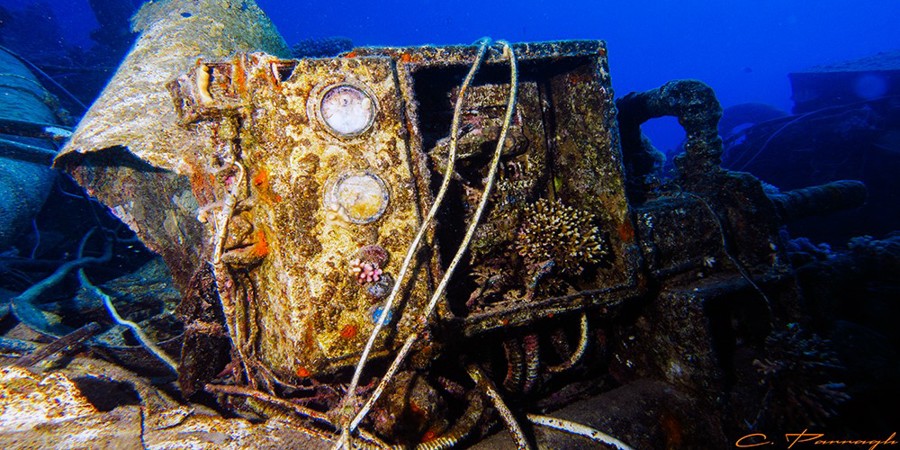
    The dive on the AIDA is an extraordinary dive, no matter how much experience you have as a diver. It leaves you wondering how a ship can sink like that and stand on the sloping reef edge, as if parked. Since the ship no longer contains any cargo, one suspects that this has slipped through the wreck and now lies in deeper regions on the ground. Same as, the AIDA stands bolt upright on the sloping reef edge, the highest point at 25 m, the screw at 57 m. Apart from the collision with the reef, the ship is still completely intact. It has been there for more than 40 years now and is becoming more and more part of the reef, overgrown with corals.

  • Shaab Marsa Alam

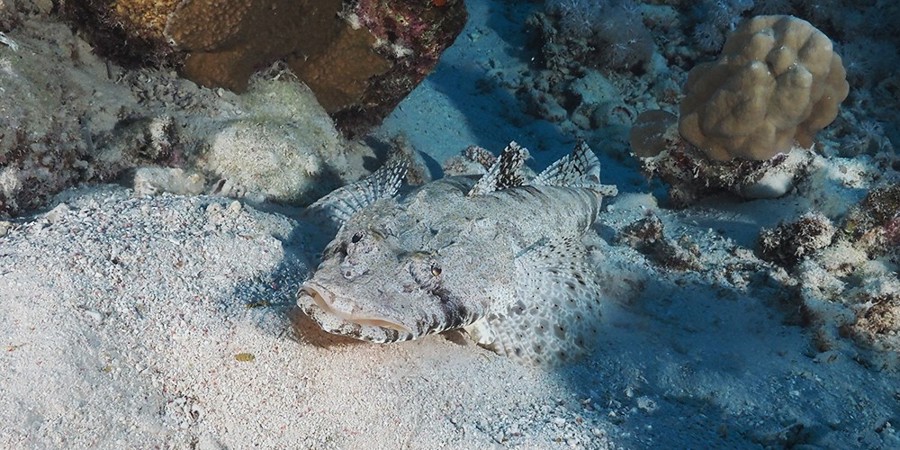
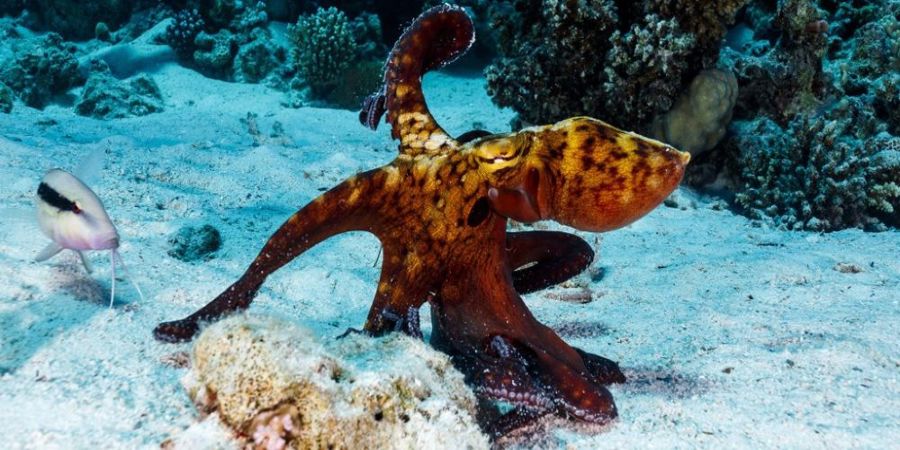
    Shaab Marsa Alam is 350m to 400m long and shaped like an inverted L. In the north it starts with 50m width and expands to 80m until the beginning of the lagoon in the middle. Then it continues on the east side with a width of 10 to 20m like a barrier to the south. There are some real sights: In the lower part of the lagoon, west of the barrier, at a depth of 12 to 15m, there are two coral blocks - a large one of 1 by 20m and a smaller one of 6 by 6m. They stretch from the northeast to the southwest and are so intergrown that they look like a reef of their own. They are nicely overgrown with hard and soft corals in the upper part. There is a small cavern system to explore. In the northeast you can still find the remains of a sunken safari boat. Here you will encounter crocodile fish, moray eels and schools of snappers. To the north and west there is another beautiful coral garden. Both contain cleaning stations, are dotted with sandy areas and are home to garden eels, schools of barbels, snappers and other reef fish. You can find moray eels, octopus, snails and cheeky nemos. Both sites are easiest to access by Zodiac. The way back to the boat is doable, in any case you make it in sight of the safari boat to be picked up by the Zodiac.

  • Shaab Sharm/Gota Sharm

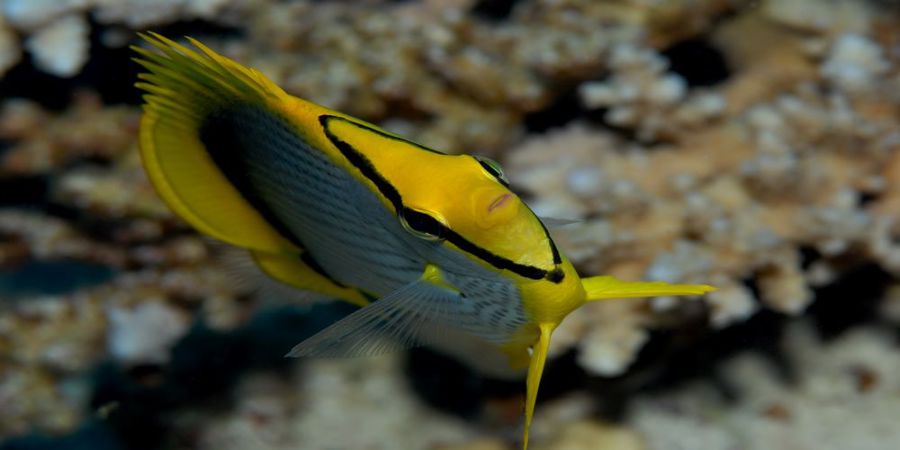
    Gota Sharm has a length of 250m, a width of 100m and runs in a wedge shape from west to east. There are plateaus at both ends. The rest consists of steep walls that reach more than 100m into the depth. The plateaus are 20m (close to the main reef) to 35m deep (in the outer area). The current usually comes from the northwest in the morning and from the north at noon. Despite this predictability, you should pay attention to it, because it can get very strong and you run the risk of being blown off the plateau. On the eastern plateau you can find the longnosehawkfish in a gorgonian, lionfish under table corals, barracudas, reef sharks, schooling fish and two cleaning stations: one in the middle of the plateau for young tuna, the other, by a large block on the south side, for surgeonfish. On the east plateau, the current can cause turbulence that makes diving difficult. The western plateau is narrower than the eastern one and there is also a cleaning station here. On its northern side the current usually meets Gota Sharm. So a good place for big fish like the hammerhead shark. Pretty much opposite, on the south side, manta rays have been spotted, but it is more likely to encounter reef sharks, mackerels, tuna and barracuda.
  • Abu Galawa Kebir

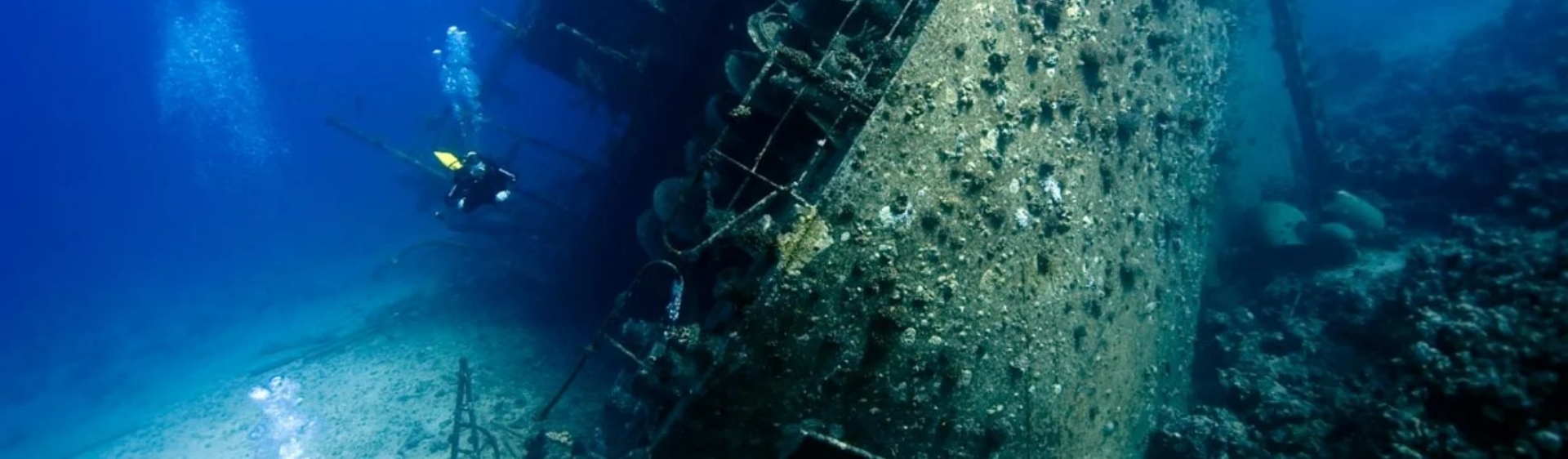
    At Abu Galawa Kebir there are lagoons and several side reefs that offer everything there is to see in the Red Sea. Blue staghorn corals, wonderful landscapes. Besides the "Rosalie Moller" and the "Numidia", the steam tugboat of Abu Galawa, the "Tien Hsing", is one of the most beautiful shipwrecks in the Red Sea. She was a harbor tug built in Shanghai in 1935. With a length of 36m, a beam of just over 7m and a draft of about 3m, it was a rather small ship for these purposes. On October 26, 1943, the tug sank and now lies at a depth of 12-13m in a slight angle on the west side behind the canal. The wreck is easily visible on the starboard side, but less so on the port side, so many corals grow on it! The coral garden on the west side consists of mountain corals. In the upper part, the cuts and channels are overgrown with table corals. Also here you can dive great at night.

  • Satayah Gota Soraya

    "Soraya" means "small". This tells us that we are on the sister reef of the larger Sataya Gota Kebir. The water depth in the area to be dived is 20 to 25 meters. The reef has a length of 250m and a width of about 70m. The boat usually moors in a small lagoon in the southeast of the reef. However, depending on the current, there is also the possibility to moor the boat in the southwest at a notch of the reef. The Sataya area almost always has current from the north. The mooring in the southeast, in the lagoon, is also one of the most beautiful places to dive in the midday. Very few people dive here and you get the impression that you are entering the water shortly after the coral garden is formed. The most common diving tours, due to the current from the north, start with the Zodiac of course in the north. Then one has the free choice whether one dives left or right hand side. Here you can practice navigation and you have a dive of about 60 to 70 minutes in each direction. There is also a small path in the north through a cave into a lagoon. This is covered with mountain corals. The whole area is full of huge mountain corals, large table corals, leather corals and soft corals. There are a lot of juvenile fish, large schools of snappers, bigeyes and barbels. You can also find snails, as well as dolphins and young reef sharks. There is another coral garden in the northwestern area, behind a sandy road. It consists of old and new coral formations and slopes down to 40m in the north.

  • Satayah Gota Kebir

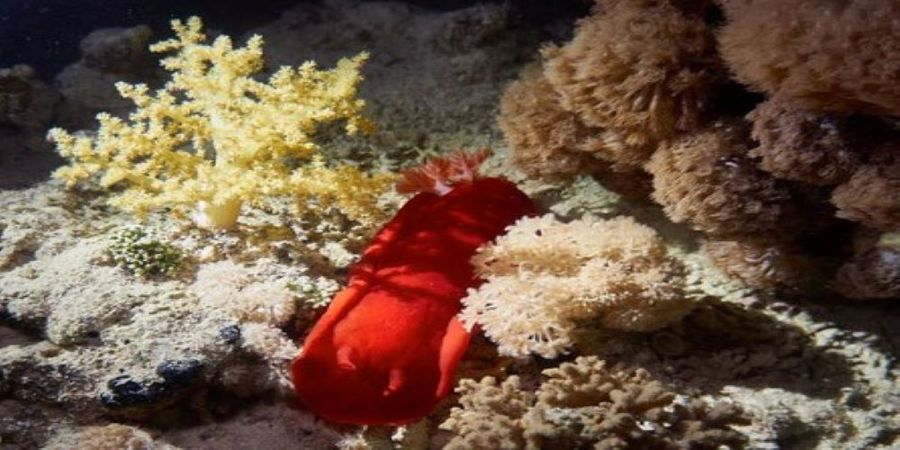
    Sataya Gota Kebir - "Kebir" means "big" - is located west of the main Sataya reef. The water depth in the area that is dived is from 5 to 25m. The reef is about 140m long and has a width of about 80m. The mooring is well protected, usually right by a plateau with a depth of 5 to 15m. Since the current, except in autumn, actually always comes from the north, it is an ideal day and night mooring place - perfect for exploring the plateau in the dark. To the south, the plateau is at 5-11m, dropping to 15-18m on the outer sides. At night it is teeming with life. There is almost a guarantee of Spanish dancers, this is what this place is known for. You can also find many kinds of shrimps, rabbits fish, parrot fish in cocoon, flute fish, lion fish, gorgon heads and many more. In the west you will find some bigger blocks at 22m. Except in the northwestern area there are actually small and big blocks everywhere. You will find among others flatworms, moray eels, small groups of hunting fish as well as slugs. In the north there is a lagoon with a beautiful coral garden, swarm fish and an anemone colony.

  • Shaab Claude

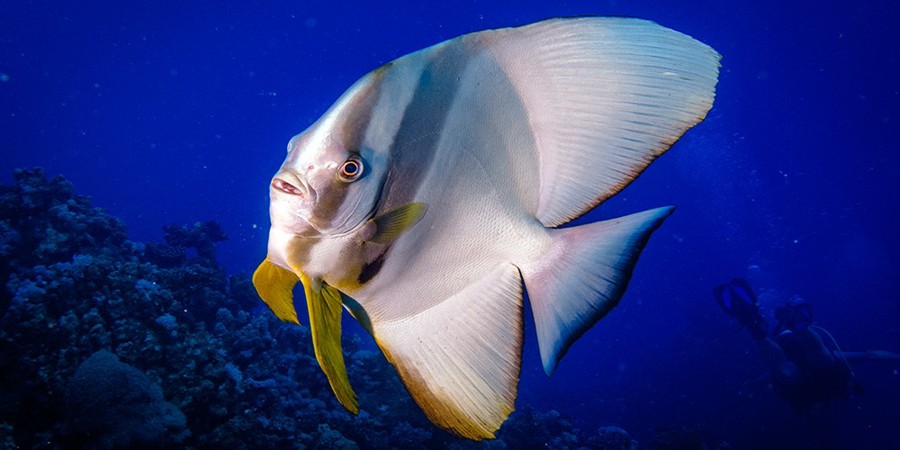
    Shaab Claude is about 150m long and 60m wide with a maximum depth of 24m. Boats usually anchor in the south, because there is the cave entrance in 10m depth. Also most of the fish can be found in the southern part of the reef. Here live e.g. batfish, triggerfish, bannerfish, barbels and snappers. Also big napoleon wrasse are not rare. Often a current from the north makes diving on the west side above the coral garden difficult or impossible. After a bumpy ride by Zodiac to the channel and the anemone colonies, you will be rewarded with a nice drift dive on the east or west side.

  • Sheleniat

    The reef has a width of 150m and a length of 200m. With a depth of 16m it belongs to the very shallow dive sites. The corals here are mostly only 50cm high. The 2 to 4m high hills are the optimal area for damselfish. On the west side there are two big lagoons, which are connected inside at 6m depth. They are overgrown with stag and mountain corals. On the sandy bottom you will find gobies and crabs living there symbiotically. The north is bordered by a long block. On the west side, on the other hand, there are four coral mounds from 2 to 8m high. The east side has an elongated reef wall with single fields of mountain corals and in the outer area isolated 2m high towers. The variety of corals and fish here is indescribable! To the south are individual lagoons and ancient coral that is home to batfish, large groupers and moray eels. This is a good night mooring and night diving site. Around the hills the current often changes and forms swirls.

  • Erg Abu Diab

    This spot is typical of the biodiversity of the southern Red Sea, but also known for encounters with large sharks. Often the diver meets groups of hammerhead sharks. But also the encounter with gray sharks and thresher sharks is likely here and with good luck among them also an oceanic white tip shark.

  • Gota Eden

    A plateau with small caves, countless colorful fish, a garden of mountain, fire and staghorn corals, green sponges, gorgonians - the "Eden Reef" is a breathtaking dive spot. If you decide to dive in this paradise in the Red Sea, you will encounter a slightly horseshoe-shaped reef with a length of about 160 and a width of 90 meters. If you arrive at the end of the reef, your breath will be taken away - it goes steeply downhill for well over 100 meters.

Golden Dolphin Safari World

English Deutsch 中文(简体)
up