2weeks Brothers - Daedalus- Rocky Island - Zabargad - St. Johns - Abu Fendera - Elphinstone - Safaga

2weeks Brothers - Daedalus- Rocky Island - Zabargad - St. Johns - Abu Fendera - Elphinstone - Safaga

Itinerary Highlights

  • The Brother Islands are undoubtedly among the world's best dive sites. Rising steeply from great depths, two small islands, Big Brother and Little Brother, lie isolated in the Red Sea, about 60 km off the coast.
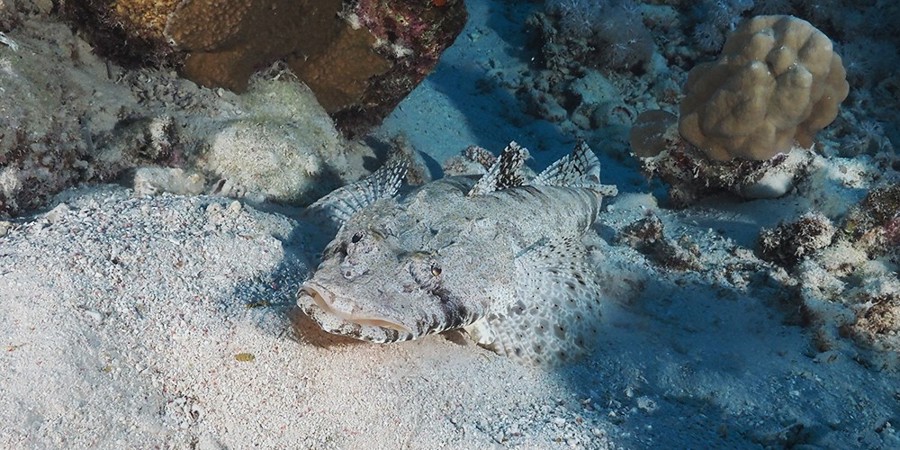
  • Daedalus Reef is surrounded by a sloping wall and features a plateau on its southern side, dropping from 30m at the wall to 40m at the edge. The plateau is covered in colorful marine life, extending into the shallows. Turtles and numerous schools of fish frequent this area. A closer look reveals nudibranchs, scorpionfish, and stonefish. Thresher sharks are also frequently spotted at the plateau.
  • Rocky Island is a legendary dive site that makes every diver's heart beat faster. The fringing reef surrounding this bird-nesting island promotes the growth of all kinds of marine life.
  • The former sapphire mining island of Zabargad is a dive site distinguished by its remarkable diversity. Here, divers can explore steep walls, glide over drop-offs, experience the thrill of open water at the edges of the drop-offs, circumnavigate coral towers and explore inlets in the sheltered shallows, observe fish, or simply admire this unique coral garden as they swim by.
  • Deep, far to the south (at the latitude of Rocky Island) lie the St. Johns Reefs. This reef group offers divers a virtually untouched underwater world.
  • A few hours south of St. Johns, the approximately 6-kilometer-long Abu Fandera reef chain stretches from west to east. Between the six elongated reefs are so-called passages, which are wonderfully diveable channels with varying topographies. Dozens of ergs (reef blocks) at depths of 15 to 20 meters, covered in beautiful soft corals, awaken the spirit of exploration.
  • Although Elphinstone Reef has become very popular with divers in recent years due to its proximity to the coast, it is undoubtedly one of the most beautiful reefs in Egypt and a "must-see" for every diver. Not very wide, but long, a plateau extends in stages from 18 to 55 meters in the north.
  • Safaga, with its fantastic dive sites Abu Kifan and Panorama Reef, is, along with diving the Salem Express, a successful part of this safari.
  • Marsa Shuona

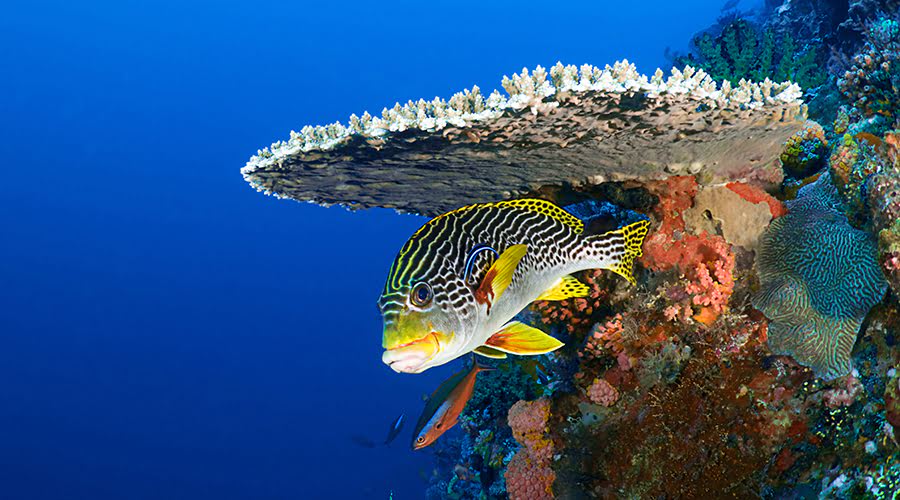
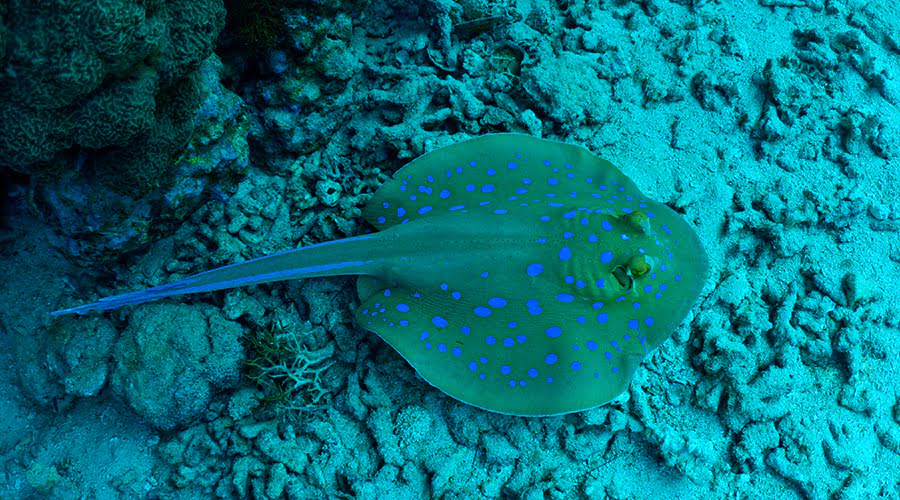
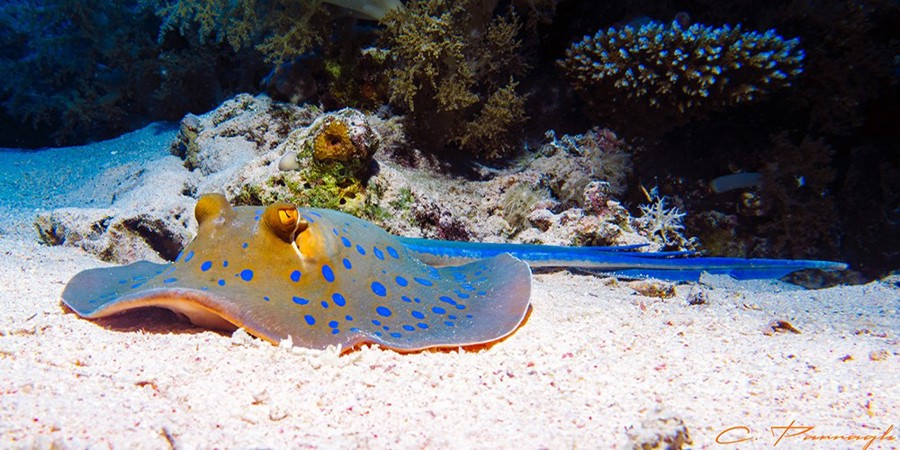
    The corner and outside north of Shouna is unique for its sprawling sand plateau. Littered in table corals of all shapes and sizes pick your depth on the gradual slope and see what's hiding beneath each one. Of course blue spot rays are abundant but certain times of year bring in breeding guitar rays and other surprises.

  • Sataya (Dolphine reef)

    Sataya – Fury Shoal – South: South of Marsa Alam, in the area of Wadi Gimal there is Shaab Sharm. A huge reef with colorful overgrown drop offs on the north and north-west side and a gorgoniawall between 17 m and 22 m in the east direction. The plateau on the east side, starting from 18 m to 32 m depth, with its coral block formations is the home of a lot of marine life. Doctor fishes, different kinds of reef fishes, napoleons and small critters – very often you see a turtle eating and resting. The plateau continues small along the south side of the main reef. Dolphins, sharks and mantas patrol along the reef in the blue. Shilineat in Wadi Gimal is the aquarium. Along the beautiful hard coral garden on the west side and in the high amount of blocks in the sandy area beside the reef you can rummage for camouflage artists and small critters. In maximum 16 m and with the white sand and the sunlight it is amazing and full of small fishes and species. Very often there are turtles or dolphins around.

  • Brother Islands

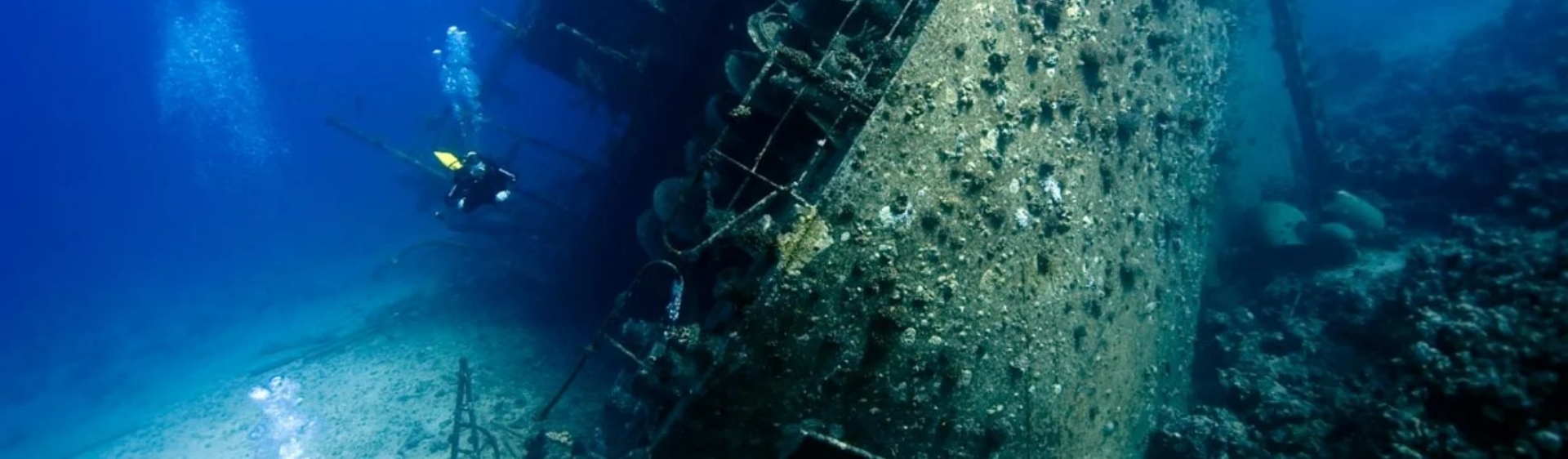
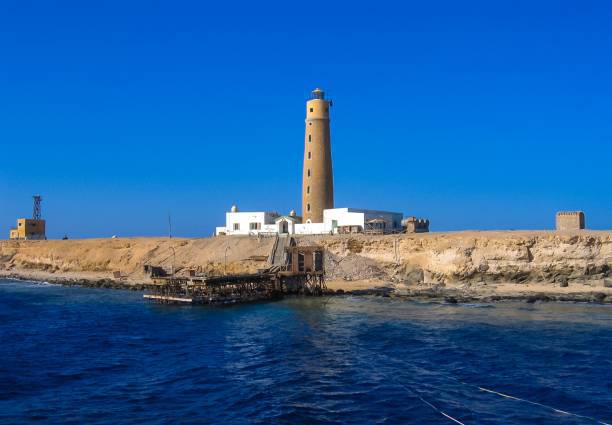
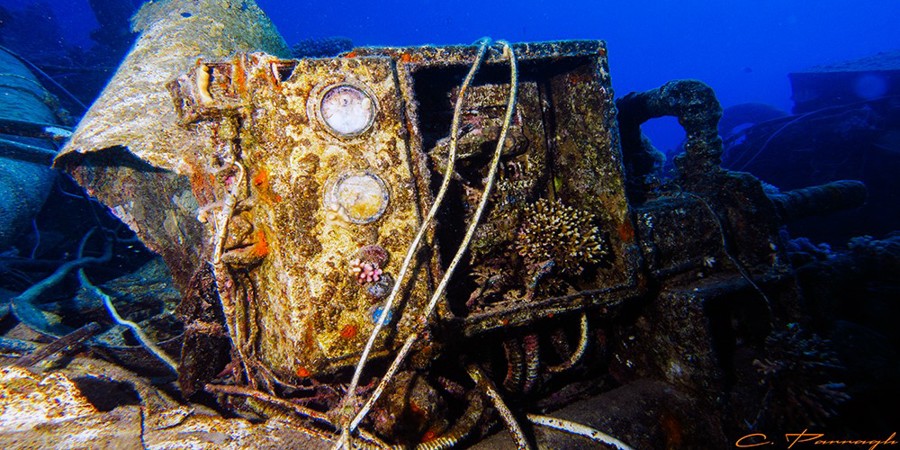
    The Brother Islands one of the best diving spots in the world. The Islands – the Big Brother and the Little Brother – are two small exposed promontories that just come out of the water in the middle of the sea at around 60 km from the Egyptian coast line. The Little Brother has a very high concentration of life in a much reduced area. The walls are covered literally with sponges, anemones and all sorts of hard and soft corals in an astonishing variety of colors and shapes. Of course you will find here plenty of fish. It is not unusual to see sharks: hammerheads, thresher sharks, grey reef sharks, silvertip and whitetip reef sharks. About one km north of the Little Brother lays the Big Brother. Situated, in the middle of the island, is a lighthouse. When it is not too windy, you can proceed to dive the Wreck Numidia which lies upon the reef on the northern side of the island between 5 m and 80 m. This 150 m long ship sunk in 1901 and is now completely covered with both hard and soft corals and gorgonias. At the NW side of the island you will find the other Wreck: the AIDA. This 82 m long steam ship sunk 1957. The remaining pieces of the Wreck are scattered all over the reef and just the back side of the hull can be found between 34 m and 60 m. It is nicely overgrown and worth to visit. Because of strong current and may be high waves it is not easy to dive at the Brother’s. This safari is only for experienced divers.

  • Daedalus Reef

    Daedalus Reef is surrounded by a steep wall and features a plateau on the south side, which drops from 30 m at the wall to 40 m at the edge. The plateau is covered in colorful vegetation right down to the shallow area; turtles like to hang out there, as well as plenty of schooling fish. A closer look is worthwhile to spot snails, scorpionfish, and stonefish. It's not uncommon for a thresher shark to stop by the plateau. At the northwest tip, there's a good chance of encountering hammerhead sharks, but reef sharks of all kinds can also be observed. Drifting along the west side, you'll come across Anemon City: a colony of anemones has settled about 10 m wide and at a depth of 5 m to 30 m, forming a giant flokati carpet in the current. The fish population is impressive: schools of fusiliers, surgeonfish, and jacks, more diverse and abundant than anywhere else.

  • Elphinstone

    This long finger like reef runs from north to south in the open Red Sea. Steep walls drop to the depths on the reef’s east and west sides, while the north and south ends of the reefs are marked by submerged plateau. Sharks often swim by the spot to feed on the abundant reef fish population.

  • St Johns

    This vast reef system lies furthest to the south on the Egyptian side, 10 miles from the Sudanese border. There are dozens of excellent dives. Its reefs rise up from a gigantic underwater plateau hidden in the inky blue water.

  • Zabargad

    The island of Zabargad has been known since the time of the pharaohs for the presence of the ancient mines from which olivine was extracted, a green stone similar to the emerald. In Zabargad you will dive along the south wall characterized by a multitude of very scenic passages.

  • Rocky Island

    The site features several submerged rocks surrounded by sandy areas with a nice swim- through at around 20 m deep. There is beautiful staghorn and hard coral. You can often find a leopard shark and a whitetip reef shark resting on the sand. Turtles and pelagis fishes like the Giant Trevally are common too. The maximum depth is around 39 m deep but most of the dive is done around 15 m. The current can be quite strong and this dive spot is better suited to open water advanced divers.

  • Shaab Marsa Alam

    Shaab Marsa Alam is a large semi-circular reef shaped like a bean. It is surrounded by sandy bottom with isolated rock and reef formations. The north-eastern part is particularly impressive, with a unique and, above all, species-rich coral garden. It is not uncommon to see reef sharks here. If there is a current and with a bit of luck you can also see small black tip sharks or Longimanus. To the south, in the lagoon, there is a small Wreck at around 17 m depth.

  • Abu Fandera

    South of the St. Johns area there is the 6 km reef line from west to east of Abu Fandera. Between the six long reefs you find passages which have different topographies full of coral blocks between 15 m and 20 m depth. Amazing soft corals in all kind of colors, reef fishes and small critters are common. Often you see a small reef sharks and napoleons and the highlight is the hump head parrot fish which is passing by in big schools of 30 or more.

  • Fury Shoals

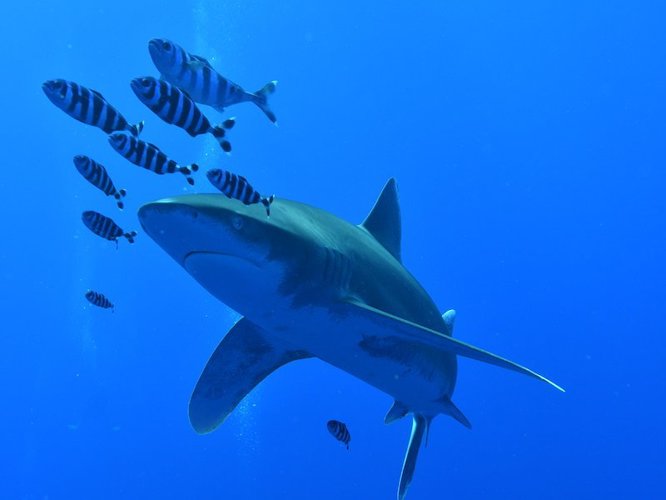
    The Fury Shoals make up several reefs along the Southwest Red Sea coast, offering amazing scuba diving opportunities with some of the most pristine reefs in Egypt. The hard and soft coral are unspoiled and are a highlight of many dive sites such as the Fury Shoal Garden. The marine life is also really great with all the usual reef fishes of the Red Sea and various species of reef Sharks (Whitetip, Grey) and even sometimes the curious Oceanic Whitetip Shark. Pelagic fishes such Barracudas, Giant Trevallies, Dogtooth Tunas are also common in the area.

  • Safaga - Egypt

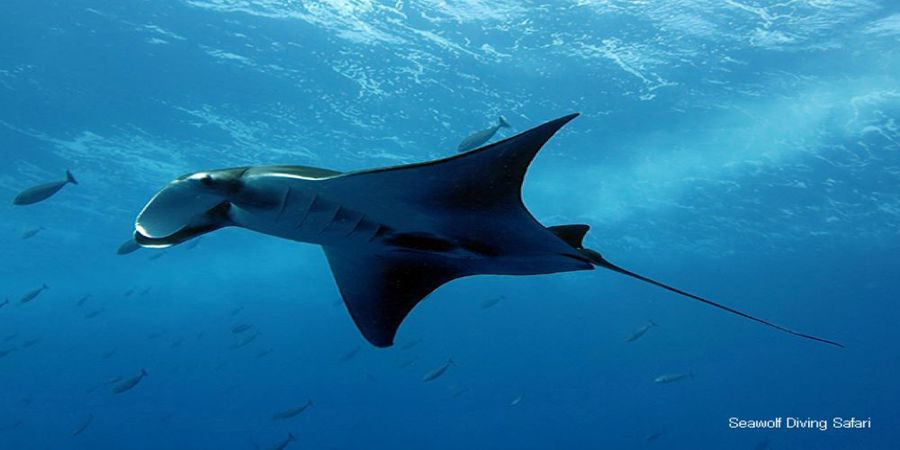
    The most famous dive sites in Safaga: Abu Kufan legendary for hammerhead sightings in late spring and manta rays in wintertime. This 300 m long and narrow reef offers a plateau in both north and south tips. Panorama Reef: one of the largest reefs in Safaga, featuring numerous grottos and overhangs, where gorgonians and soft corals thrive with the frequent nurturing currents. Due to the size of the barrier, there are at least three different dives to be done here: the south plateau and the east and the west drop- offs Tobia Arbaa: Named the "seven pillars" after the small pinnacles rising from a sandy bottom. One of the best dives in Safaga, despite the shallow bottom, sometimes cause of not perfect visibility. Soft corals cover all the seven ergs, glass fish, gorgonians, giant puffer fish, octopus, blue spotted rays, morays, lion fish, sergeant majors, nudibranchs and many more.

Golden Dolphin Safari World

English Deutsch 中文(简体)
up